Back to countries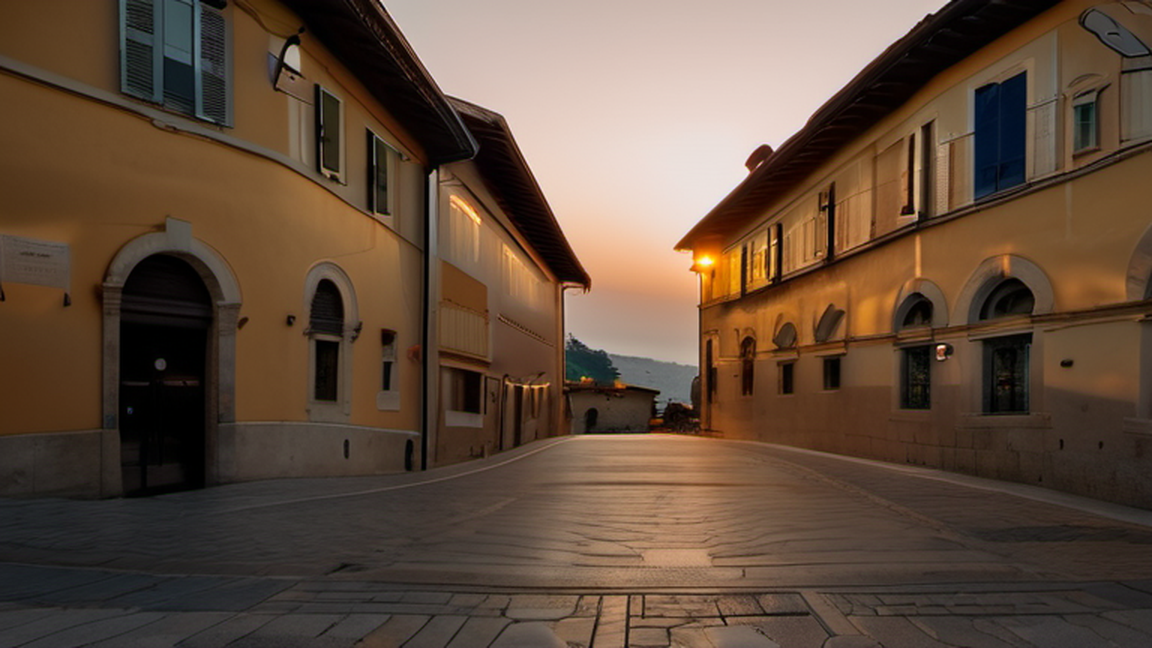
countries
San Marino
San Marino
San Marino, officially the Republic of San Marino (RSM), is a landlocked country in Southern Europe, completely surrounded by Italy. Located on the northeastern slopes of the Apennine Mountains, it is the larger of two microstates within the Italian Peninsula, the other being Vatican City. San Marino is the fifth-smallest country in the world, with a land area of just over 61 square kilometres (24 sq mi) and a population of 34,042 as of 2025. Its capital, the City of San Marino, sits atop Monte Titano, while its largest settlement is Dogana, in the municipality of Serravalle. San Marino claims to have been founded in AD 301 and to be the oldest extant sovereign state, and the oldest constitutional republic. It is named after Saint Marinus, a stonemason from the Roman island of Rab (in present-day Croatia), who is supposed in mythic accounts to have established a monastic community on Monte Titano. The country has a rare constitutional structure: the Grand and General Council, a democratically elected legislature, selects two heads of state, the Captains Regent, every six months. They are chosen from opposing political parties, and serve concurrently with equal powers and preside over several institutions of state, including the Grand and General Council. Only the Federal Council of Switzerland also follows that structure, except with seven heads of state, and different responsibilities and functions. San Marino is a member of the Council of Europe and uses the euro as its official currency, but is not part of the European Union. The official language is Italian, although the traditional regiolect is Sammarinese, a dialect of Romagnol. Its economy is based on finance, industry, services, retail, and tourism, and it ranks among the wealthiest countries in the world by GDP (PPP) per capita. San Marino was also the first currently-existing state to abolish the death penalty (in 1865), and in 2025 was ranked 29th on the Human Development Index.
Rank
194
Coordinates
43.77, 12.42
Source
WBP almanac
Nearby in San Marino
Albania
Albania
Andorra
Andorra
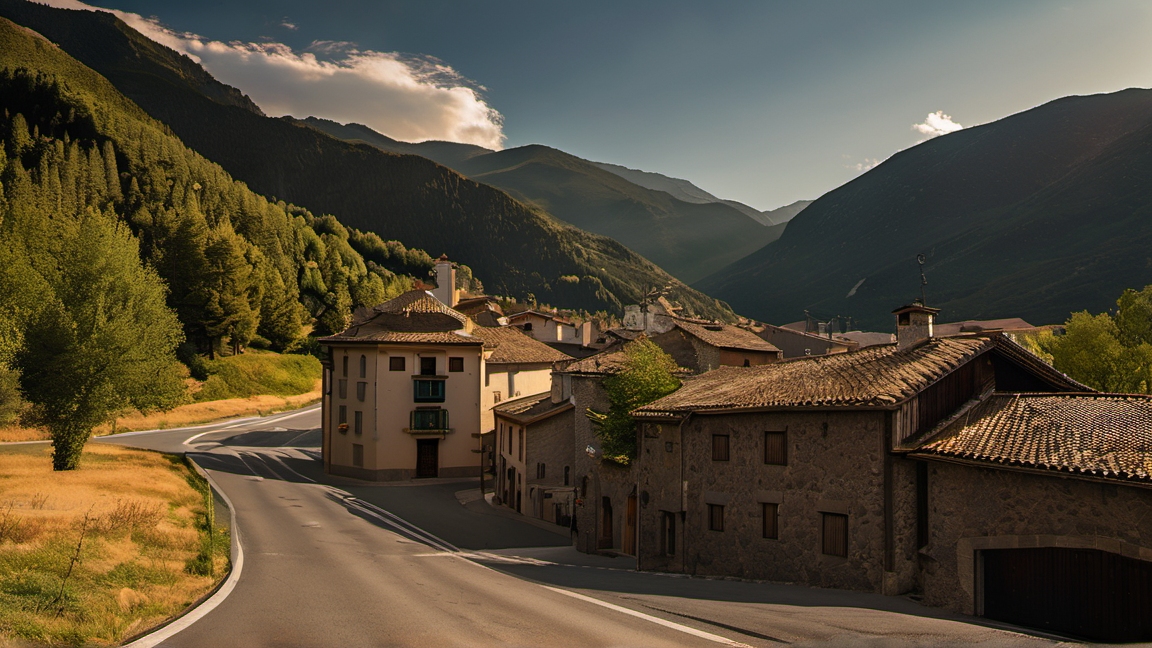
Andorra is a small, mountainous country in Western Europe, up in the Pyrenees between France and Spain. Full of beautiful mountains and charming old villages, the country thrives on tourism, mainly visitors from nearby countries who come for shopping, skiing, hiking, and banking.
Austria
Austria
Austria (German: Österreich) is a landlocked German-speaking country in Central Europe. Austria, along with neighbouring Switzerland, is the winter sports centre of Europe. However, it is just as popular for summer tourists who visit its historic cities and villages and hike in the magnificent scenery of the Alps. With more than 30 million arrivals (2023) and only about nine million inhabitants, i